In brief

For production genealogy, identify the actual input and finished serial/batch at the process event that establishes use or assembly. Record quantities and units where material splits or combines, keeping allocated, issued, consumed, returned and scrapped states distinct.

Use the identity and event definition and known-history challenge record to test both tracing directions. Retain actual fitted components, substitutions and rework history rather than treating the planned bill of materials as the completed product.

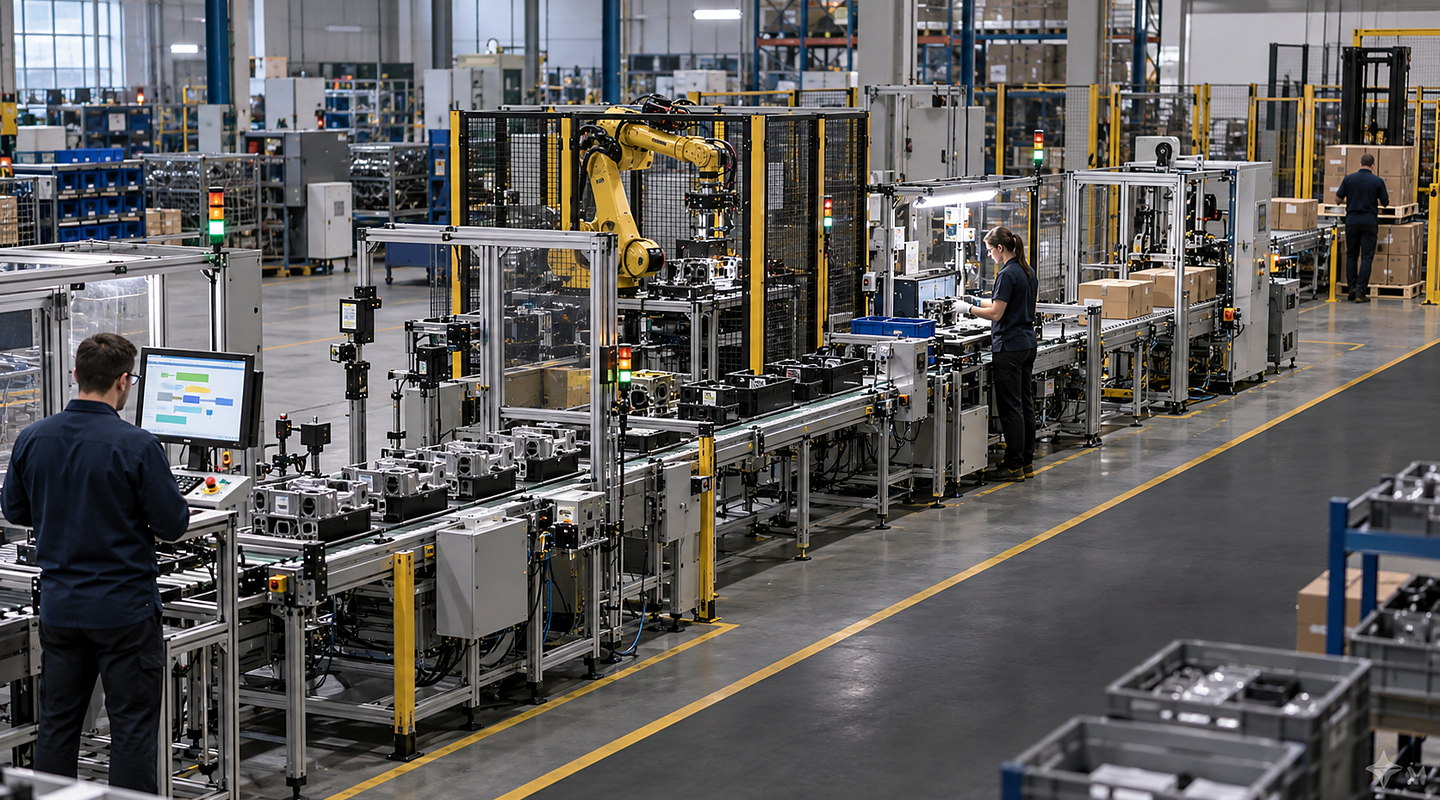
On the production floor

Plan for the conditions your team handles every day — Product Genealogy Systems

Plan product genealogy systems around your identifiers, substrates, production events, system interfaces, exceptions and verification records. Discuss a practical data-flow approach with Oxford Traceability. For production identification using component-to-product genealogy records, the deciding details include identifier and data rules for component-to-product genealogy records, production speed and read-point conditions and verification, retention and reconciliation evidence.

Discuss your application
Your application

Details worth resolving early for production identification using component-to-product genealogy records

Question 1

Identifier and Data Rules for Component-to-Product Genealogy Records

Define actual input and output identifiers, authoritative sources and lot/serial resolution. Write both trace questions and show where the assembly or transformation event creates each relationship.

Question 2

Substrate, Label or Tag Behaviour

Supply real identifier examples on the intended substrates and state how they are captured. Keep physical readability separate from correct encoded data, actual product association and completeness of the genealogy record.

Question 3

Production Speed and Read-Point Conditions

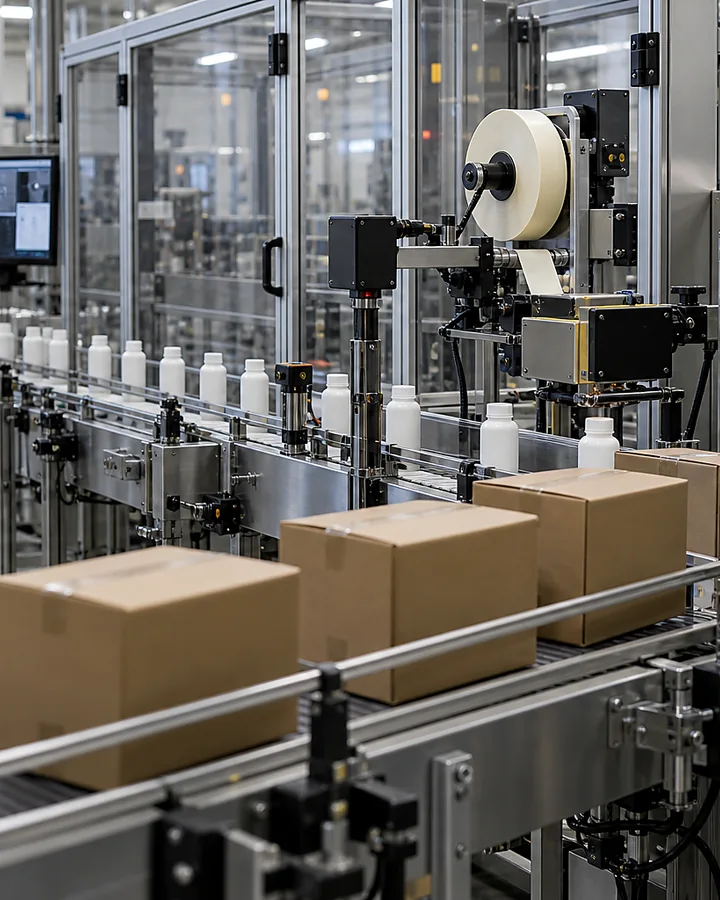
Identify the station/order/output at the process point that establishes actual use or assembly. Include movement, changeover, repeated reads, unreadable identifiers and interrupted or offline capture in the agreed trial.

Question 4

Line, Business-System and Network Interfaces

Assign ownership of each identifier, event, quantity/units and relationship as records cross systems. Define which source establishes allocated, issued, consumed, returned or scrapped states and how received records are reconciled.

Question 5

Exception, Rework and Duplicate Handling

Include split/combined lots, returns, permitted substitutions and removed/replacement components. Preserve the previous state and agree how duplicate, missing, late or out-of-sequence events become visible for an authorised decision.

Question 6

Verification, Retention and Reconciliation Evidence

Use a small known history and compare expected versus observed forward/backward traces. Retain unresolved events and limits of batch-only evidence; retention, privacy, access and regulatory rules remain with the responsible organisation.

Your operating cycle

Plan for more than automatic running

Include replenishment, normal production, planned change, short stops, fault recovery, cleaning and maintenance for production identification using component-to-product genealogy records. A fast automatic step can still leave your team with a slow or awkward overall process.

Prove the result

Test production identification using component-to-product genealogy records against real identifiers, interfaces and exception scenarios

Normal production

Run the agreed product or part mix for production identification using component-to-product genealogy records at your intended operating pattern.

Difficult conditions

Include credible extremes for identifier and data rules for component-to-product genealogy records and substrate, label or tag behaviour.

Fault and recovery

Show how the proposed solution detects a problem affecting production identification using component-to-product genealogy records, responds safely, informs your team and restarts under control.

Important limits

Be clear about what the trial has shown

Compare with Data Integration and Exception Handling for Component-to-Product Genealogy Records if that operating pattern is closer to your application.